
Canadian Citizenship 2026: Complete Guide to Requirements, Process, Exam & Benefits
Becoming a Canadian citizen is one of the most meaningful milestones in the immigration journey. It represents stability, full integration, and the ability to participate completely in Canadian society. For thousands of permanent residents, 2026 will be a key year to take this step—especially with the latest updates introduced by IRCC.
Below is a complete and updated guide designed to help you understand exactly what you need, how physical presence days are calculated, how the online citizenship exam works, and what to expect from the citizenship ceremony.
Essential Requirements for Applying for Citizenship
To apply for Canadian citizenship in 2026, you must meet all of the following requirements:
Be a Permanent Resident (PR)
Your PR status must be valid, with no ongoing revocation proceedings, inadmissibility issues, or active immigration investigations.
Meet the Minimum Physical Presence Requirement
This is one of IRCC’s strictest criteria. You must have been physically present in Canada for:
1,095 days within the last 5 years
Equivalent to 3 full years spent inside the country.
You must meet this requirement at the time you apply; you cannot “complete the days later.”
File Taxes in Canada
You must have filed federal taxes in at least 3 of the last 5 years, regardless of income amount or employment type.
Demonstrate Basic Language Proficiency
Required for applicants aged 18 to 54.
IRCC accepts English or French at the CLB 4 level.
Pass the Citizenship Exam
Now conducted entirely online, except in exceptional circumstances.
Meet Security, Legal & Immigration Background Requirements
You must not have prohibitions or pending legal issues that prevent you from acquiring citizenship.
How Physical Presence Days Are Counted
This step is critical—and one of the most common causes of application delays.

Days that count as 100%
Every day spent in Canada as a Permanent Resident.
Days that count as 50%
Time spent in Canada before becoming a PR as:
A student
A temporary worker
A visitor
These days count as half days, up to a maximum of 365 days.
Days that do NOT count
Time spent abroad
Short trips, family visits, or vacations
IRCC cross-checks your entry and exit history with CBSA records, CRA data, passports, and previous submissions. Any inconsistency can trigger delays.
Language Requirement: Who Must Provide Proof and Who Is Exempt
Citizenship applicants must demonstrate basic language abilities in English or French (CLB 4 level).
Must provide language proof
Applicants aged 18 to 54.
Exemptions
Applicants under 18
Applicants 55 or older
Individuals with documented medical conditions
Applicants with formal education in English or French in Canada (depending on the case)
Accepted language tests
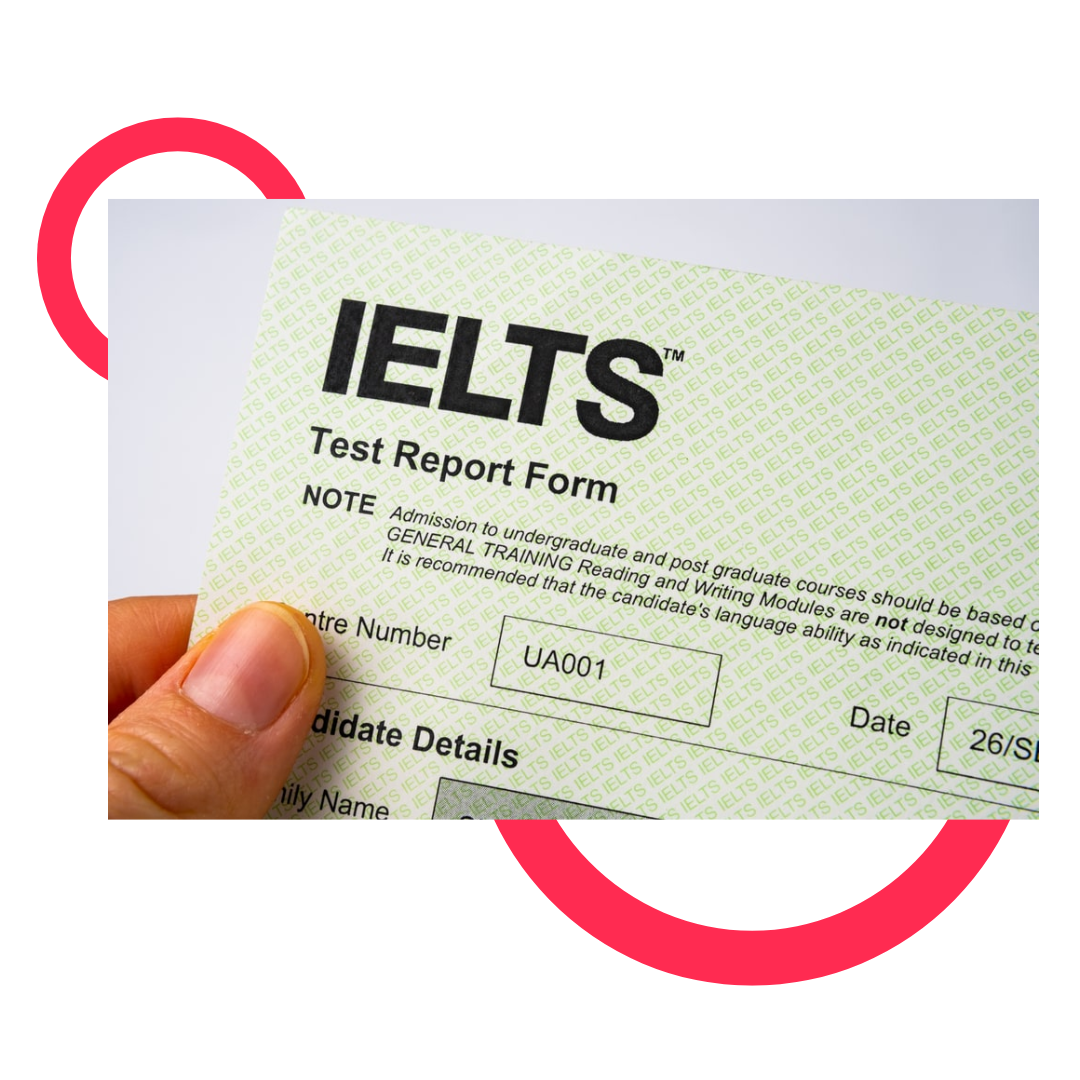
IELTS General
CELPIP General
PTE Core
TEF / TCF (for French speakers)
Canadian educational certificates
If you previously took an English or French exam for your permanent residence application, you may not need to provide a new one.
Citizenship Exam: Now Fully Online
A major update for 2025–2026 is that the citizenship exam is now conducted online, from anywhere in Canada, as long as you meet the following requirements:
Stable internet connection
Camera turned on
Valid identification
A quiet space with no interruptions
Exam format
20 questions
Minimum passing score: 15/20 (75%)
Topics: history, culture, politics, national symbols, geography, and civil rights
Available in English or French
You can access IRCC’s official study guide here:
If you do not pass the exam, IRCC allows a second attempt. If you still do not pass, an interview may be scheduled.

Citizenship Ceremony: In-Person or Virtual
After passing the exam and completing the final review, IRCC will schedule your ceremony. Since 2023, Canada offers two formats:
In-person ceremony
Held at an IRCC-designated venue.
Ideal for those who prefer the traditional experience.
Virtual ceremony (videoconference)
The most commonly used format today.
You will need:
Stable internet
Active camera
Valid identification
Ability to sign your certificate at the end
Both formats hold the same legal validity.

Documents Required for the Application
Although requirements vary depending on the applicant, you will generally need:
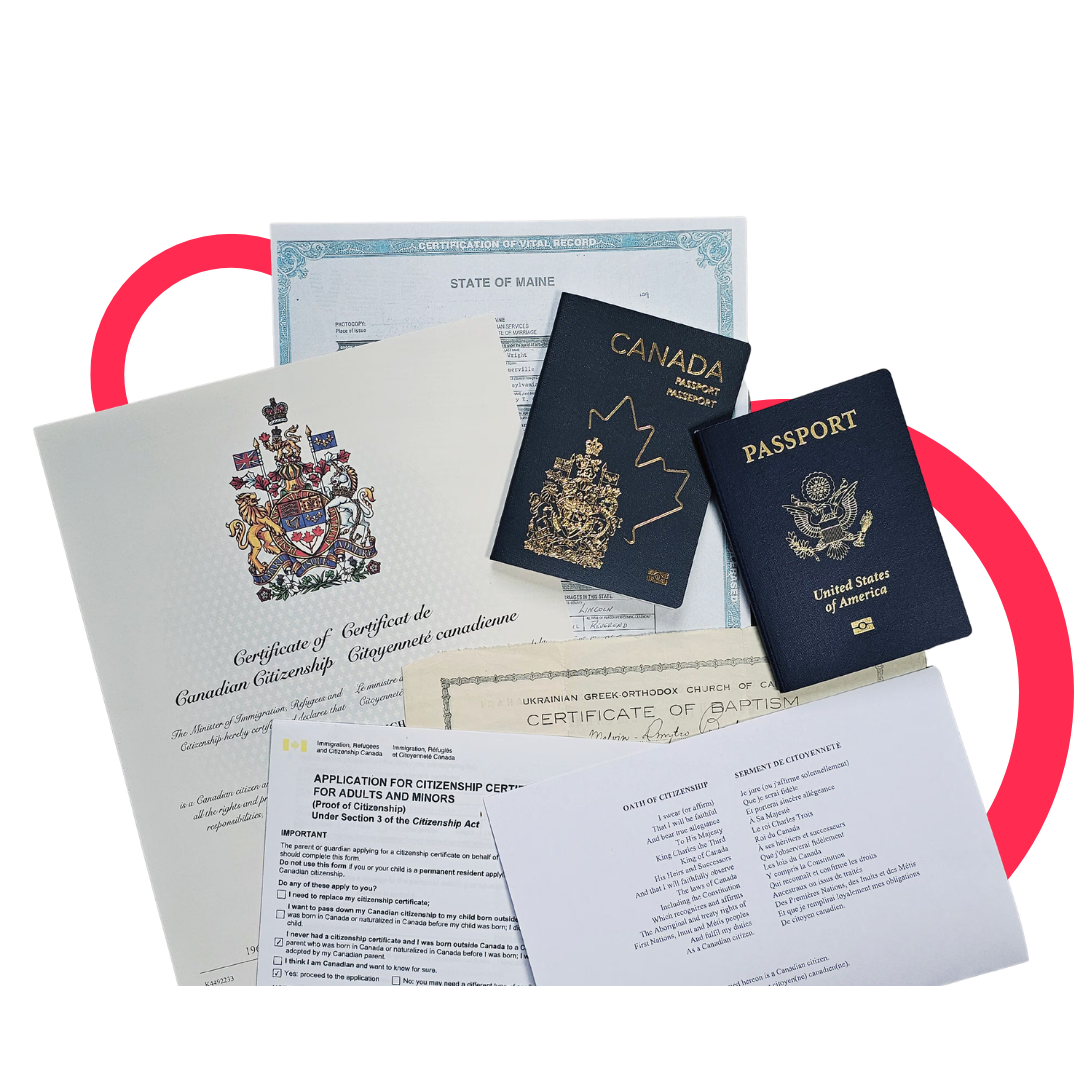
Current and previous passports
Permanent Resident Card
Proof of travel history
CRA tax filings
Language evidence (if applicable)
Employment and education history
Government-issued IDs
Updated IRCC forms
Incomplete documentation or outdated forms are among the most frequent causes of delays.
Common Mistakes to Avoid
Miscalculating physical presence days
Forgetting short trips or failing to declare them
Not filing taxes for the required years
Missing or invalid language evidence
Date inconsistencies between passport stamps and declarations
Using outdated forms
Missing deadlines in IRCC requests
Any of these errors can add months to your processing time.
Benefits of Becoming a Canadian Citizen
Canadian passport
One of the strongest in the world.
Right to vote and participate politically
Full participation in Canada’s democratic processes.
No risk of losing your status
Unlike PR status, citizenship cannot be lost due to extended absences.
Access to federal and public-sector jobs
Some positions require Canadian citizenship.
Global mobility and family stability
Provides long-term protection, identity, and full rights.
Prepare Your Path to Citizenship in 2026
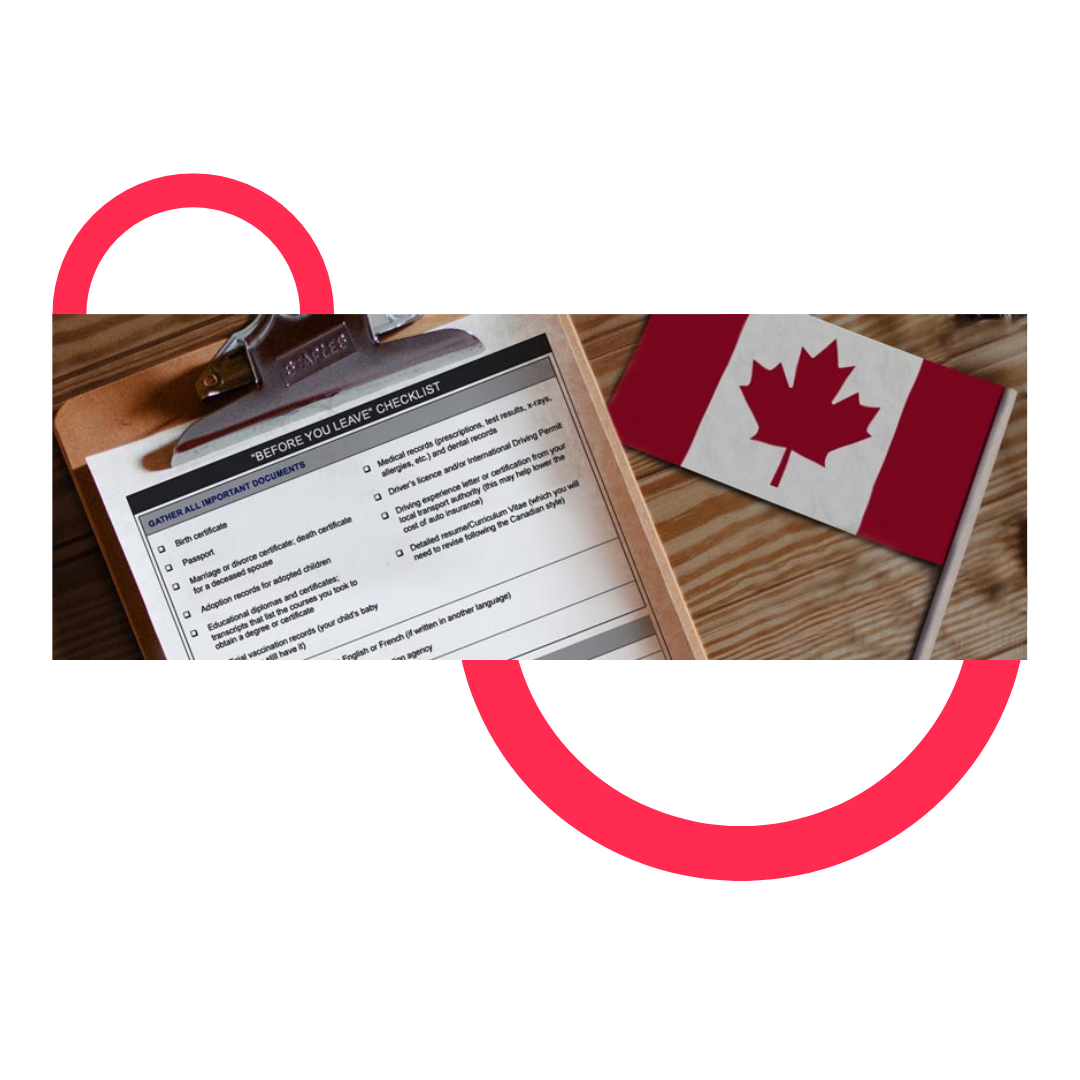
Canadian citizenship is a significant milestone that marks the end of your immigration process and the beginning of a new chapter as a fully integrated member of Canadian society. To achieve this without complications, it’s essential to plan ahead, track your physical presence days, keep your tax obligations up to date, and make sure you meet every requirement before applying.
Every application is different, and although the process is clear, errors in dates, documents, or forms remain the most common reason for delays. A well-prepared citizenship application not only speeds up processing but also helps you avoid unnecessary requests, refusals, or additional evaluations.
At Global Opportunities, we help you:
Review your eligibility based on your physical presence
Organize your documents and passport history
Identify inconsistencies that could delay your application
Prepare and submit your citizenship application correctly
Support you through the process until your ceremony
Our role is to help ensure this final step is clear, organized, and aligned with IRCC’s expectations.
Book your consultation and take the final step in your immigration journey.